
Until recently, understanding the personal wellbeing of staff was immensely difficult, involving assumption and hearsay.
But now organisations have the opportunity to gain unprecedented insight into the personal wellbeing of their staff via clinically validated anonymised data from chnnl.
chnnl was conceived in 2015 by medical student Elizabeth Berryman. Having heard, witnessed and experienced bullying herself, Elizabeth had a hunch bullying was more prevalent than anyone imagined, so she initiated a national survey of wellbeing across fourth, fifth and sixth year medical students via the NZMSA. The results were astounding: the survey found that 54% of students had experienced what they perceived as bullying when on clinical placements and 76% had witnessed another student being bullied.
From these results, it became clear to Elizabeth that positive intervention was urgently required. In August of the same year, she partnered with the Dean of the Dunedin Medical School, Professor Barry Taylor and Associate Professor Ralph Pinnock in developing a tool to measure medical student wellbeing. After two successful pilots under the original name Particip8, chnnl was finally ready to extend its support beyond the University and healthcare environments.
Our privacy policy can be downloaded here Privacy Policy
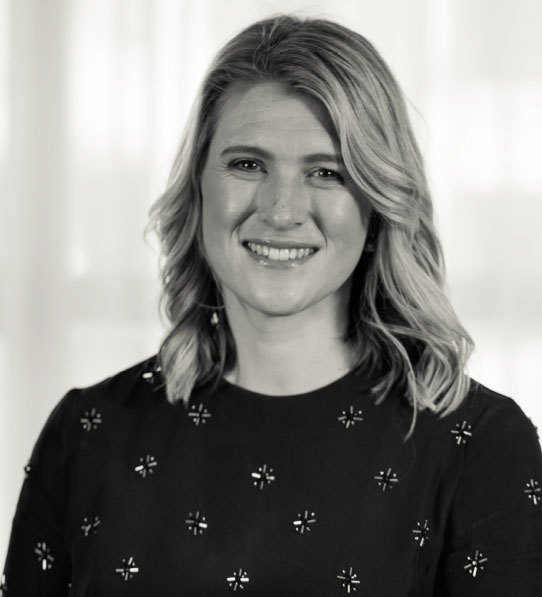
Liz is a governance guru, with roles on both industry and community-based boards.
Founder and director of chnnl, Liz is a governance guru, with roles on both industry and community-based boards. She has a wealth of experience in the health sector, starting her career as a Registered Nurse in community Maori Health, before starting Medical School.
Liz is focused on solutions that help the health workforce combat issues such as burnout, depression, anxiety and suicide, and is an active researcher in this space. After founding a peer mentoring program for medical students and seeing its success, she is now wildly passionate about supporting people. Liz lives in Auckland, and is a junior doctor at Waitemata DHB. She has been past President of the Otago University Medical Students' Association, New Zealand Medical Students' Association, Chair of the New Zealand Medical Benevolent Fund, and currently sits on the Ministry of Health's Professional Behaviour Taskforce Group and Health Informatics New Zealand Board.

An executive by nature with a passion for business, a dash of entrepreneurial spirit, and a serendipitous meeting, are what led me to Chnnl.
An executive by nature with a passion for business, a dash of entrepreneurial spirit, and a serendipitous meeting, are what led me to Chnnl.
After growing up in rural New Zealand, I attended Auckland University of Technology (AUT) where I completed a Bachelor’s Degree in Economics and Graduate Diploma in Business.
Before life with Chnnl, I worked for a boutique accountancy firm where I worked closely with a diverse range of clients from politicians, small-to-medium enterprises, to high net worth individuals and families. I am a full member of Chartered Accountants Australia and New Zealand (CA).
In addition to my passion for Chnnl, I also manage a real-estate investment business with a focus on motel, multi-unit, and build-to-rent assets.
I have a passion for aviation and hold a Private Pilot Licence (PPL), and when not out fishing or diving, can be found taking to the skies.

Having worked as a software engineer, Janyk’s carreer has focused on building things that help people, using data as the driving force of those solutions.
Having worked in a variety of domains during his career as a software engineer, Janyk has found two things in particular grab his focus: building things that help people, and using data as the driving force of those solutions. Whilst completing his BSc in Computer Science and Statistics, he worked on and developed on ERP systems, financial management tools and charitable websites.
Upon graduating he spent a period of time with Orion Health, working on patient facing web and mobile solutions, and building a framework to help increase deliverability of the product. Recently his passion has taken him to East Africa for three months, where he worked on improving the quality of the technology serving the hospitals there.
Currently, he is exploring ways tele health and machine learning could further improve access to quality care in the developing world.

Michelle is a specialist in HR and Organisational Psychology.
With a background in HR and Organisational Psychology, Michelle has a proven track record overseeing a wide spectrum of Human Resources software development, acquisition and implementation projects for organisations throughout a wide range of industries. Her experience spans from conceptualisation, budget & goal setting, partnering with key stakeholders to identify and execute cross-functional goals, coordinating RFP processes, project management, technical communication, and end-user training. With a strong UI/UX focus, she works across the Chnnl team, from sales and account management, to product development and general business activities.
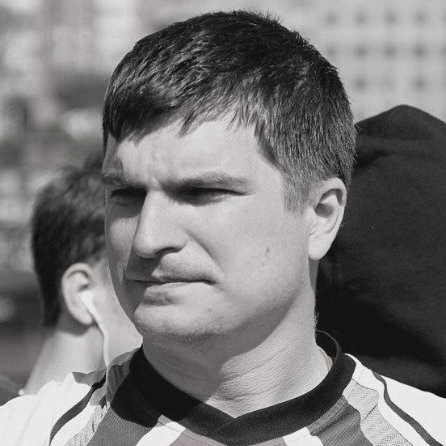
Senior Full Stack React Native Developer
As a Senior Full Stack React Native Developer, Denis is a well-established professional with a track record of delivering value at varying organisations and levels of responsibility. Bringing a high level of technical expertise, Denis is adept with Agile, DevOps and Continuous Improvement practices,

Full stack software developer with a Computer Science degree from the University of Canterbury.
Noel has a Computer Science degree from the University of Canterbury as well as a certification
for Dev Academy. He has startup experience as well as working on open source projects and has a
particular interest in full stack software development including data science and data visualisation.
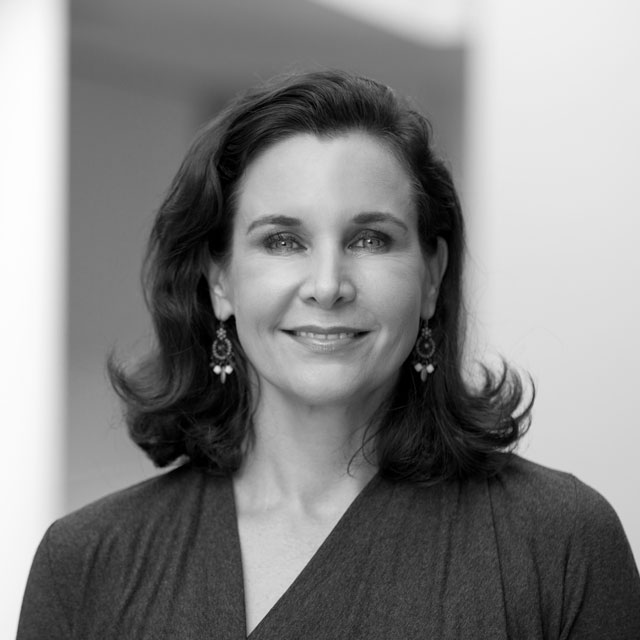
Past member of The Warehouse Group Executive Team, where she held dual roles as Chief People Officer and Acting Chief Customer Support Officer
Internationally recognised with a conscious business leadership award, Anna advocates that business should step into difficult social conversation and be the agents of change. Recent roles include Global CEO FAB Group and The Warehouse Group where she held dual roles of Chief People Officer and Chief Customer Support Officer. Anna also holds a number of Board and Advisory Board positions.
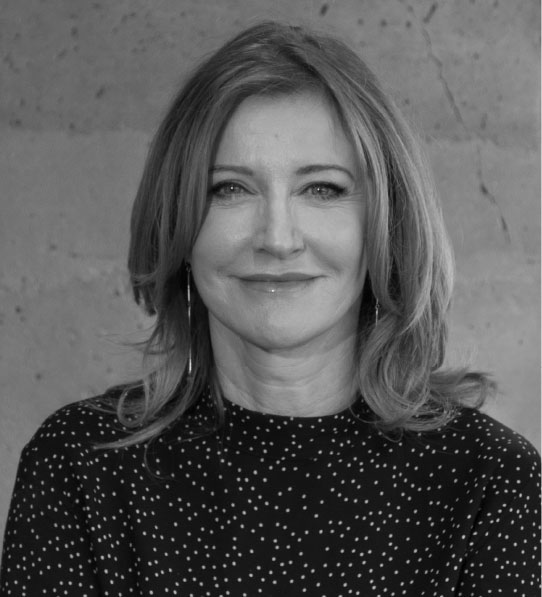
Brand performance specialist and co founder of Tricky. Jill has a internationally awarded career in brand and communications

Since starting his first business at the ripe age of 20, Mark Berryman has gone from strength to strength.
The Creating A Positive Learning Environment (CAPLE) research group was founded in 2016 in response to advocacy carried out by the New Zealand Medical Students' Association (NZMSA). NZMSA had conducted a survey which showed 54% of medical students were bullied on clinical placement. The University of Otago charged the CAPLE group to better understand this issue and research ways to combat it. After two literature reviews and a full systematic review into what initiatives work to reduce bullying in the workplace, the group is now training other educators on how to execute these recommendations. With senior researchers and Professors within the group, CAPLE provides the analysis of data captured by Chnnl, including oversight and analysis of the narrative themes from journal entry data. A biostatician, based at the University of Otago, provides the software and unique algorithms to analyse the large amounts of quantitative data produced by the app.
HOD Bioethics Centre University of Otago
Lynley Anderson is an Associate Professor in the Bioethics Centre, University of Otago. She convenes the Professional Development curriculum for second- and third-year MB ChB students. She is the incoming chair of the Health Research Council Ethics Committee.
She has experience in code writing for the Australasian College of Sports Physicians, the NZ Physiotherapy Board, and the NZ medical student code of conduct.
Her research areas include consent in surgery, sports medicine ethics, professionalism, and research ethics.
Director of MBChB programme and Dean of Medical Education University of Otago
Tim Wilkinson is director of the MB ChB programme, Professor in Medicine and Associate Dean (Medical Education) at the University of Otago. He also works as a consultant physician in geriatric medicine.
His research interests are assessment of clinical competence and performance, workplace learning, selection into medical school, and professionalism.
Senior lecturer at the Otago Polytechnic, School of Nursing
Emma is an experienced Paediatric nurse in an inpatient as well as community setting at various locations throughout New Zealand and abroad. She has been working in the undergraduate nursing programme since 2011 and is now a senior lecturer specialising in paediatric nursing, research, professional practice and sociopolitical practice.
Her areas of interest include paediatric nursing, health informatics, ePortfolios and Postgraduate Nursing Education.
She actively supervises a number of students on clinical placement and is passionate about students reaching their potential in their clinical experiences.
Biostatician, Otago Medical School
Postdoctoral Research Fellow for Bioethics Centre, University of Otago
Althea (Alfie) Gamble Blakey came to work in NZ in the mid-1990s. Since this time she has worked at Southern District Health Board for 10 years in Radiation Oncology and has taught on the MB ChB program since 2010.
She is currently also working as a Research Fellow at the Bioethics Centre.
Her research interests include clinical teaching, developing student thinking, developing teacher and student values, small group teaching and professional development of medical and clinical teachers.
Postdoctoral Fellow for The Department of Anatomy and Otago Medical School
Kelby is a Postdoctoral Fellow for The Department of Anatomy and Otago Medical School, and a Teaching Fellow for Otago Medical School. Kelby has been teaching on the MB ChB programme since 2007.
Kelby’s research focuses on the process of how medical students become doctors through interacting with the formal, informal and hidden curriculum.
Specifically, this includes the socialisation of medical students, medical student identity, the clinical experience of medical students, student support, health workforce shortage and the hidden curriculum. Further interests include facilitating small group learning, using discussion as an approach to teaching, and reflective practice.
Modal